The materials register: twelve materials, two of them accords
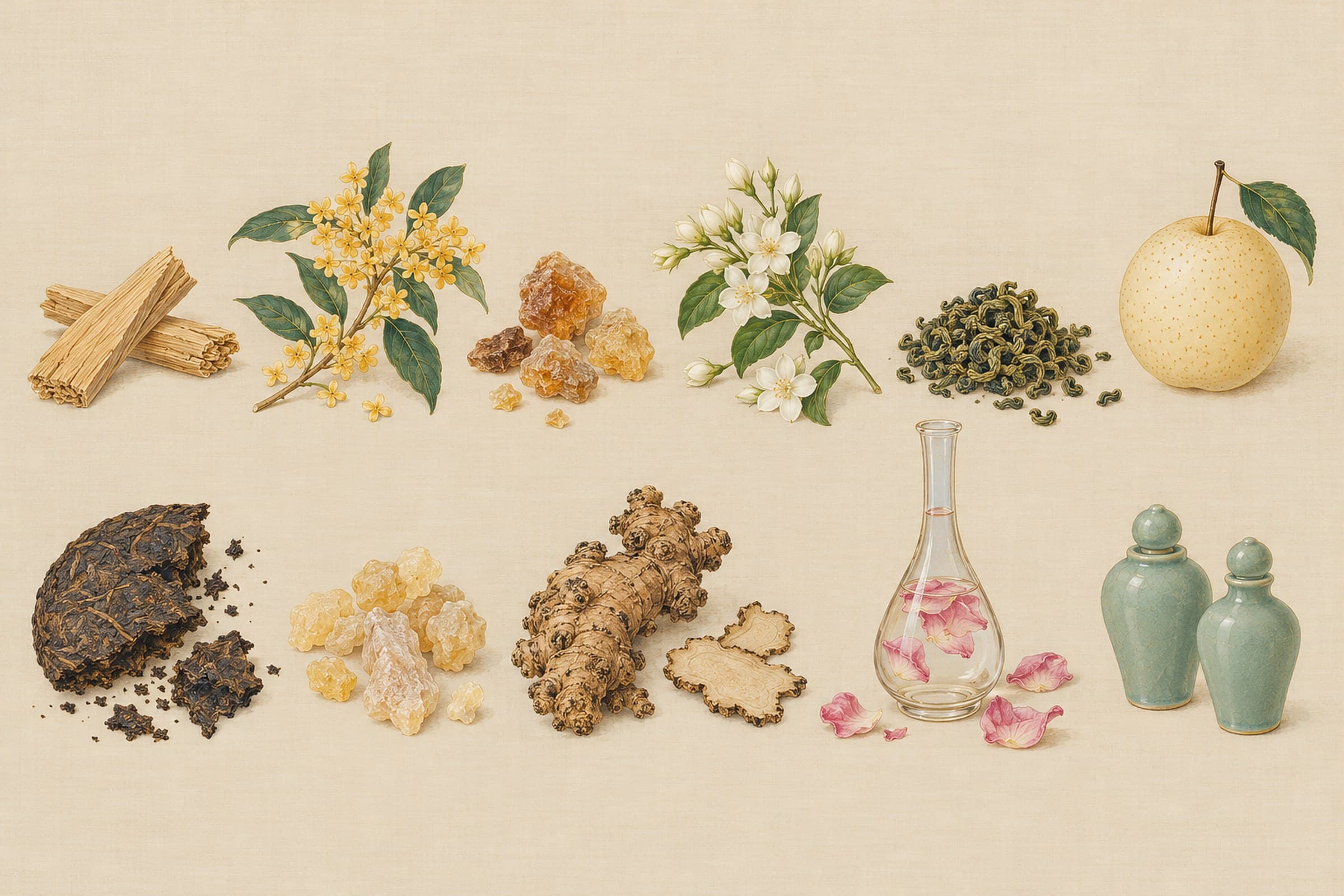
Twelve materials make up our four formulas. Ten are the material itself. Two are accords, blends made to recall a material: agarwood and ambergris. Each entry below gives what the material is, which formulas use it, and a line from the Song-dynasty incense registers where they have one.
Our beads are not made to the old recipes. The registers are here for what they tell about each material.
Agarwood accord · 沉香
In: all four formulas. Form: an accord, not the wood.
Agarwood, chenxiang 沉香 or oud, is heartwood from Aquilaria trees, dark with resin. Chen’s Incense Register, finished by 1322, quotes the History of the Southern Dynasties for the name: put in water, it sinks, so it is called “sinking incense”. The Song official Ye Tinggui ranks it by where it came from: Zhenla, in today’s Cambodia, first, Champa second, Boni on Borneo last.
Sandalwood · 檀香
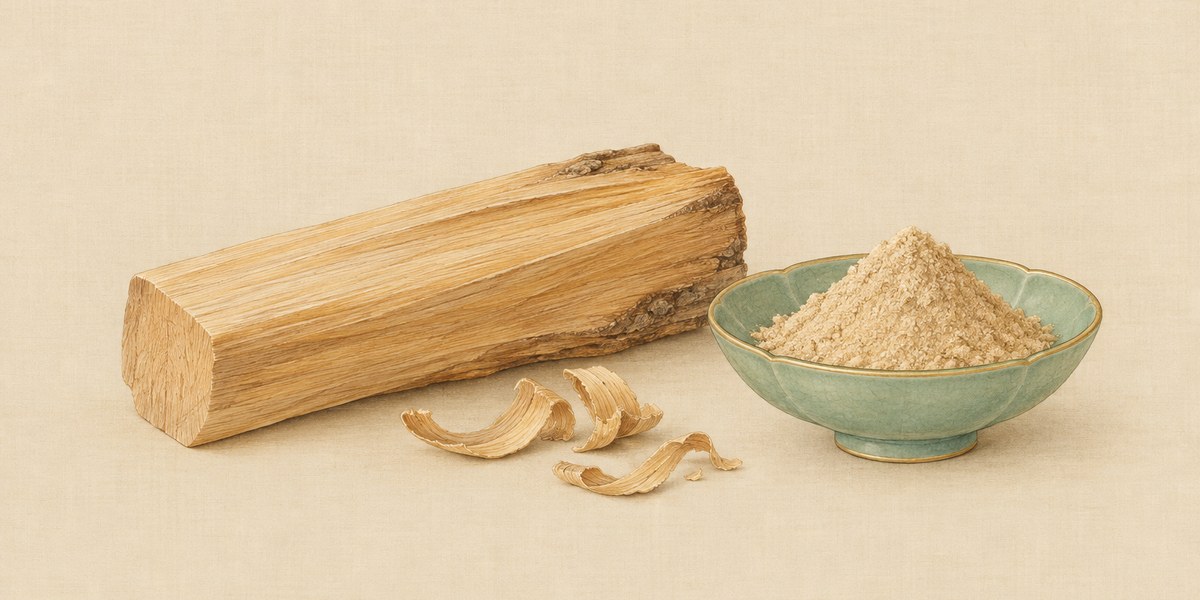
In: all four formulas. Form: sandalwood, powdered.
The warm base under every formula. Ye Tinggui says sandalwood came by ship from Srivijaya, and that its scent is clear and strong but escapes easily. Merchants cut the long trunks short to carry them, and sealed them in paper to keep the scent in.
Golden osmanthus · 金桂
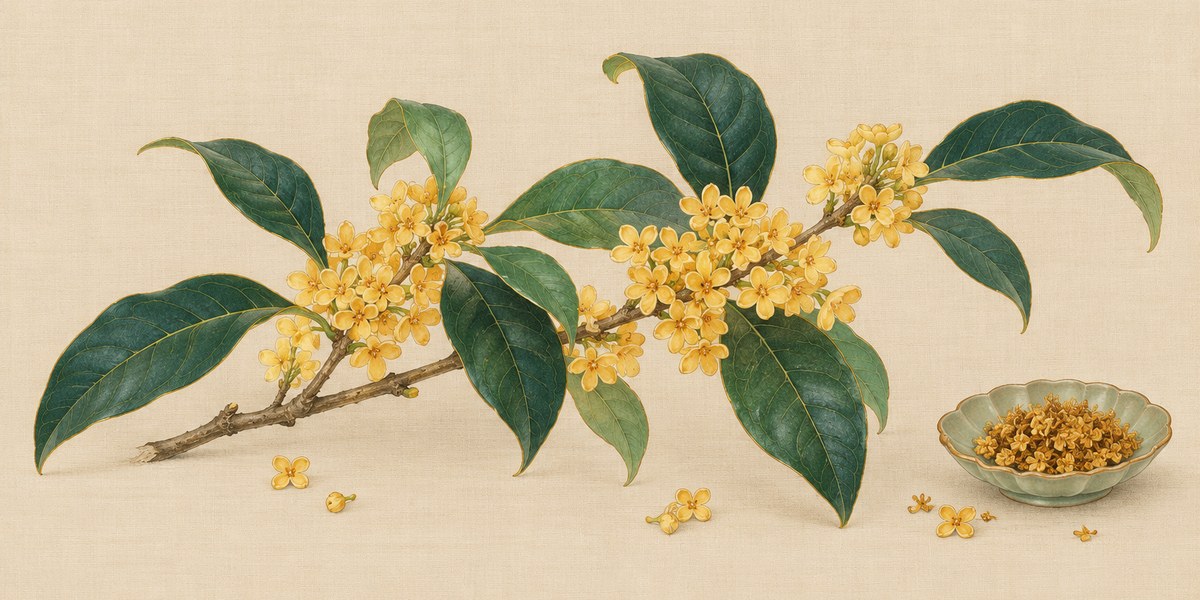
In: Moonlit Osmanthus. Form: the flower, dried and powdered.
The register calls it rock cassia, yangui 巖桂, or “seven-li fragrance”. It flowers in the eighth and ninth lunar months and fills the valleys with scent. The flowers were picked, dried in the shade and blended into incense. Its wood is hard, with a grain like rhinoceros horn, which gave it a second name: muxi 木犀, “wood rhinoceros”. More in Moonlit Osmanthus and the osmanthus month.
Benzoin · 安息香
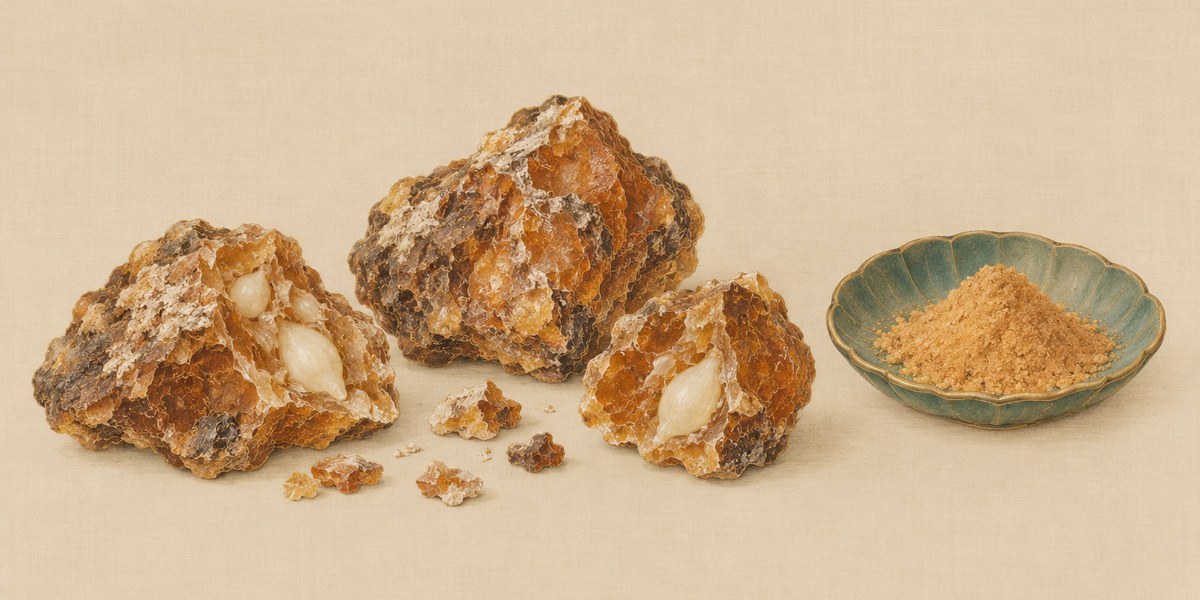
In: Moonlit Osmanthus. Form: the resin, powdered.
A soft resin that smells a little of vanilla. Its Chinese name, anxi xiang, comes from Anxi 安息, the Chinese name for Parthia. Ye Tinggui says it is not much good burned alone, “but it brings out the other scents, so it is much used in blending incense”.
Small-flowered jasmine · 小花茉莉
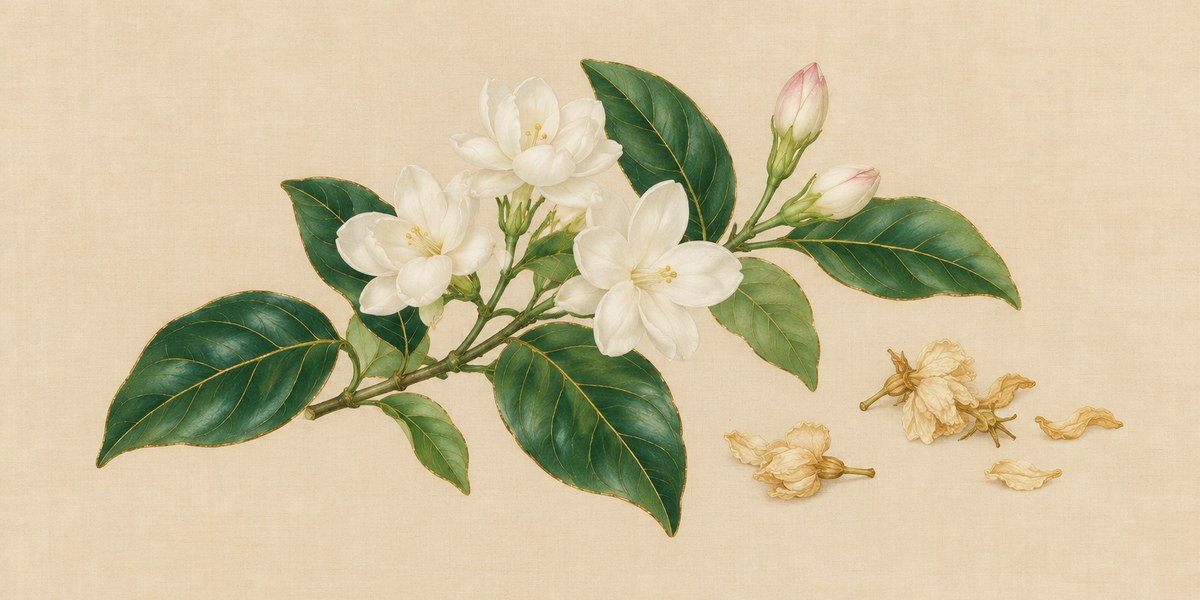
In: Jasmine Snowfall. Form: the flower, dried and powdered.
Jasmine came to southern China from the west. A record of southern plants traditionally dated to 304 already lists it there. When rose water from the Arab world became scarce, the registers say, people steamed jasmine flowers and used the liquid instead. More in Jasmine Snowfall: the flower that came from the west.
Dried tea · 茶
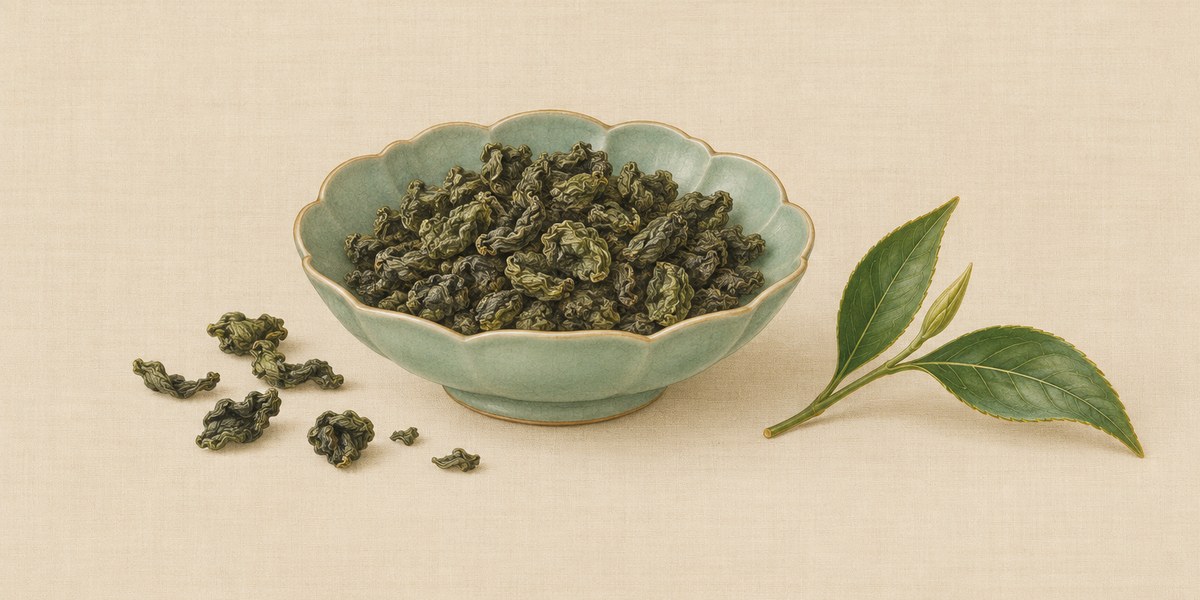
In: Jasmine Snowfall. Form: powdered.
The thread of tea under the jasmine.
Goose pear · 鵝梨
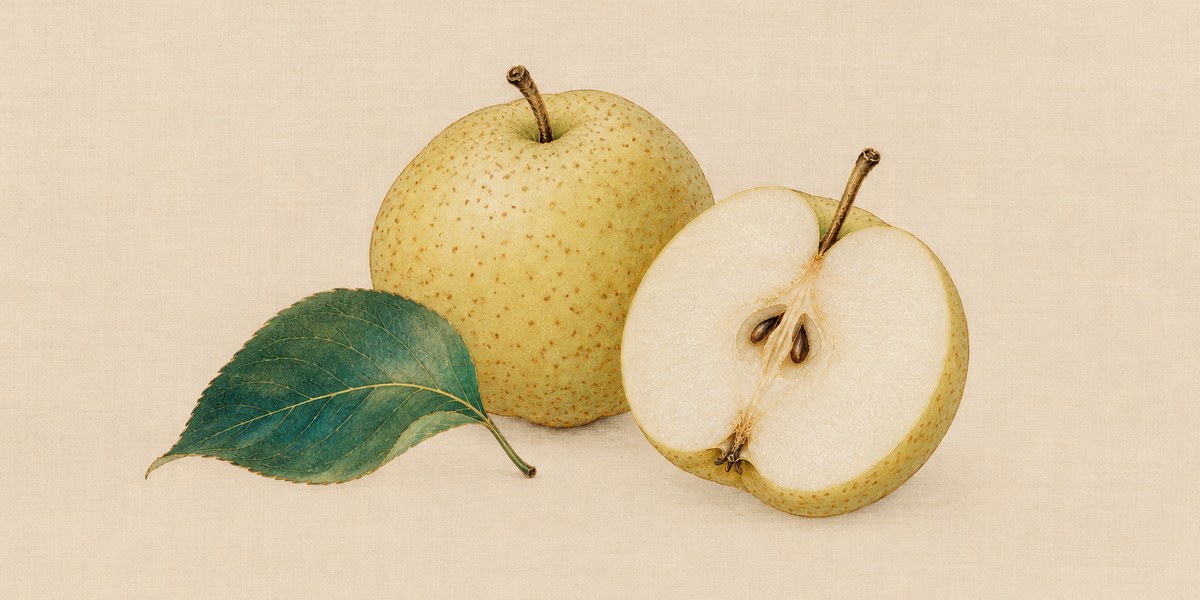
In: Goose-Pear Canopy. Form: powdered.
E li 鵝梨 is a fragrant, thin-skinned pear. Hong Chu’s Song-dynasty register records the Southern Tang ruler’s bed-curtain incense: agarwood steamed in goose-pear juice. More in Goose-Pear Canopy: the incense for inside the bed curtains.
Pu’er tea leaves · 普洱茶
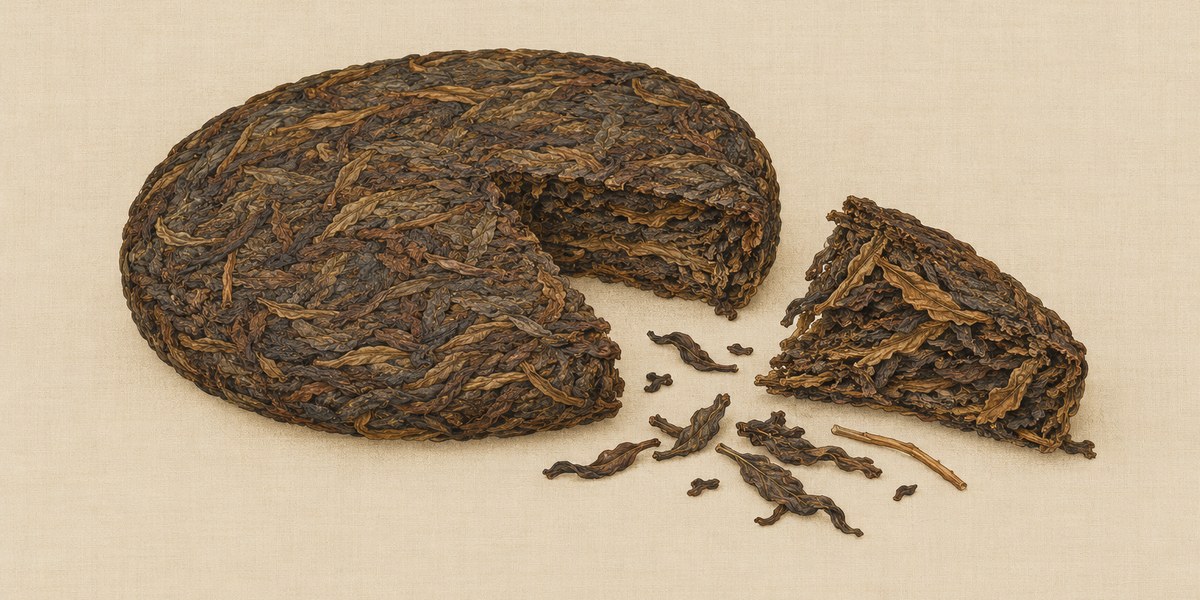
In: Goose-Pear Canopy. Form: the leaf, powdered.
Pu’er is tea from Yunnan, often pressed into cakes and aged.
Frankincense · 乳香
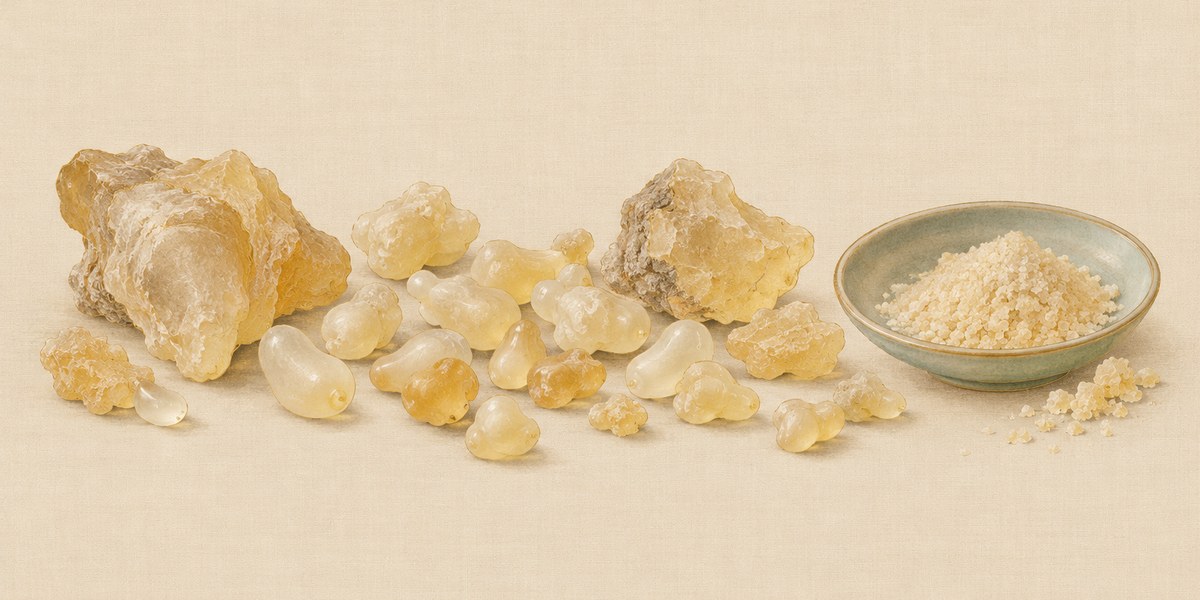
In: Elegant Orchid & Ambergris. Form: the resin, powdered.
Ruxiang 乳香 means “milk incense”. The Song scholar Shen Kuo says it was first called xunlu 薰陸, and that the pieces which dripped into rounded tips gave it its present name. Ye Tinggui says it was cut from pine-like trees far south of the Arab lands, shipped to Srivijaya and on to Guangzhou and Quanzhou, and sold in thirteen grades. The best were clear and round, and called “dripped milk”.
Chuanxiong · 川芎
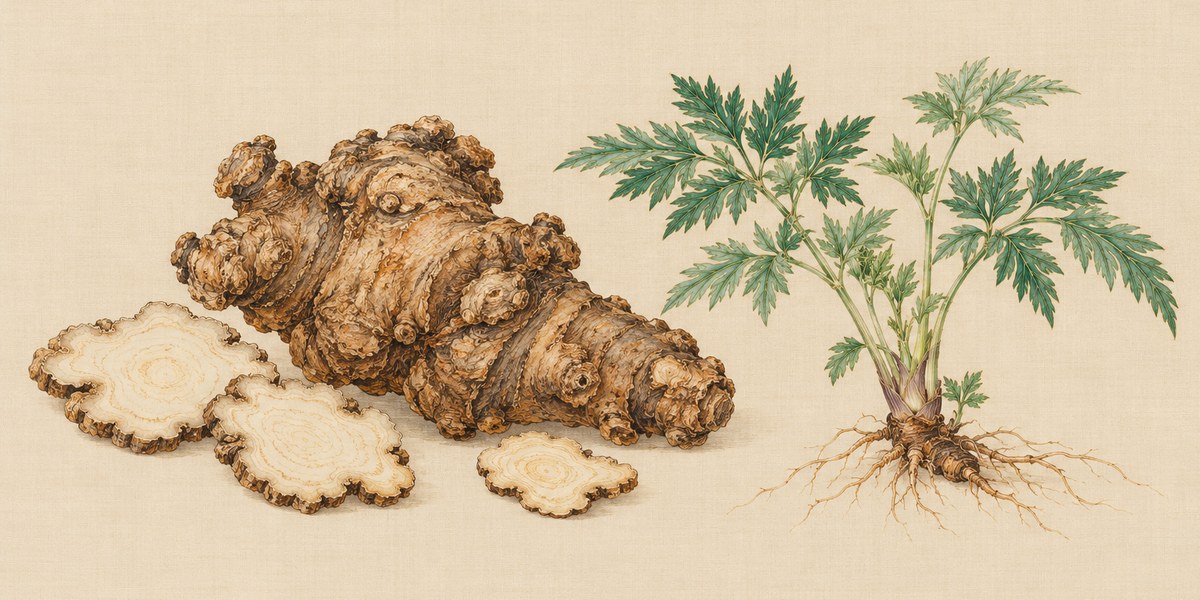
In: Elegant Orchid & Ambergris. Form: the root, powdered.
Sichuan lovage root, green and rooty. Its young shoots had their own name, miwu 蘼蕪, and the register notes that Cao Cao kept miwu among his clothes.
Rose dew · 薔薇露
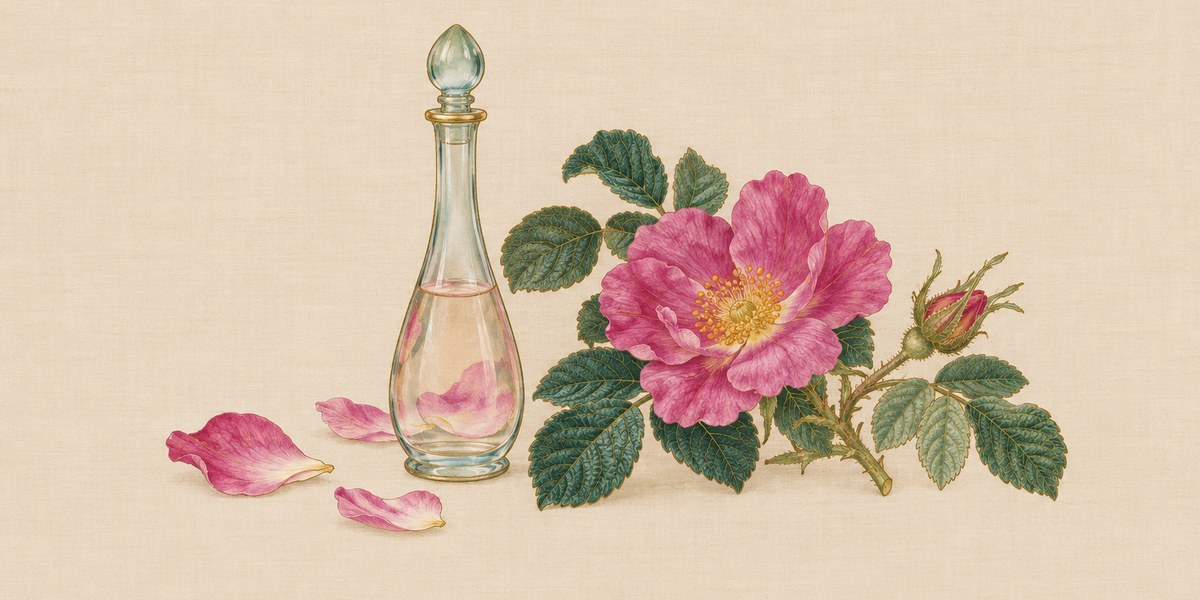
In: Elegant Orchid & Ambergris. Form: rose water.
Ye Tinggui calls rose water the “flower dew” of the Arab lands. Another entry dates a gift of fifteen bottles to 958, and says clothes sprinkled with it wore out before the scent did. More in Elegant Orchid & Ambergris: dragon’s saliva, without the whale.
Ambergris accord · 龍涎
In: Elegant Orchid & Ambergris. Form: an accord. Nothing in it comes from a whale.
Real ambergris forms in sperm whales. In Chinese it is longxian 龍涎, “dragon’s saliva”. Ye Tinggui is blunt about it: “Ambergris has no fragrance of its own. Its smell is close to rank.” Yet it “brings out the other scents”, so it went into blends, at the price of its weight in gold.
What the beads are
The materials are powdered, blended to the formula and shaped into beads by hand, then dried for at least twenty days. Keep them dry. The scent is clearest when new and lasts more than five years. More in Hexiang: blended incense, worn as beads and the questions page.
Sources
- Chen Jing, Chenshi xiangpu 陳氏香譜, volume 1: 沉水香, 檀香, 木犀香, 安息香, 乳香, 薔薇水, 蘼蕪香, 龍涎香, and the note on orchids that names miwu as the shoot of chuanxiong (芎窮); volume 2 (江南李主帳中香).
- Ji Han (attributed), Nanfang caomu zhuang 南方草木狀, volume 1 (耶悉茗, 末利).
- Hong Chu’s register, quoted in Shangu ji shi zhu 山谷集詩注, inner collection, volume 3.